From the CPO's Desk
Artisan Economy: Tradition as a Driver of Local Development
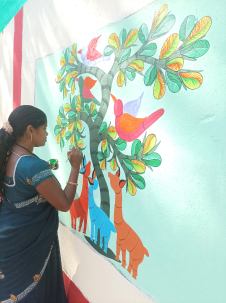
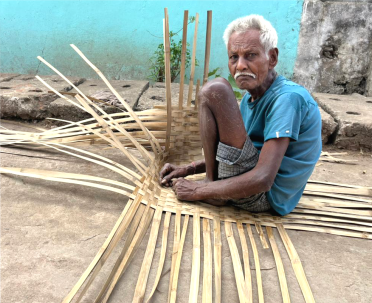
India’s artisan economy represents a powerful blend of cultural heritage and livelihood generation. Rooted in centuries-old traditions, the sector sustains millions of rural and tribal households through crafts such as handloom weaving, bamboo work, metal craft, pottery, woodcraft, and tribal art. Far from being a residual activity, artisanal production forms one of the country’s largest decentralized employment systems and continues to play a vital role in inclusive economic development.
At the national level, the artisan and handicraft sector is recognized as a strategic component of India’s development framework. The Ministry of Textiles, through the Office of the Development Commissioner (Handicrafts), has introduced policy measures focused on skill development, cluster-based growth, market access, design innovation, and export promotion. Support for Geographical Indication tagging, national craft awards, and integration of artisans into broader skill and entrepreneurship missions reflects an evolving policy intent to position artisans as economic contributors rather than informal workers.
Despite this policy support, ground realities reveal persistent challenges. A significant number of artisans continue to operate in informal settings with limited access to organized markets, institutional finance, design inputs, and digital platforms. Income insecurity and dependence on intermediaries remain common, particularly in remote and tribal regions. However, successful craft clusters across the country demonstrate that when artisans receive structured support, traditional skills can be transformed into sustainable enterprises contributing to local economies and exports.
In this broader national context, the artisan economy of Gadchiroli and Chandrapur holds significant potential. These districts possess strong traditions of bamboo craft, metal work, textiles, and tribal art rooted in local ecology and indigenous knowledge systems. At the same time, artisans here face challenges related to remoteness, weak market linkages, and limited branding and design support.
With Gadchiroli emerging as a rapidly developing district, there is an opportunity to reposition artisans as central actors in local economic transformation. Bamboo-based crafts and forest-linked enterprises, supported through skill upgradation, common facilities, market linkages, and institutional backing, can generate sustainable livelihoods and value addition. Chandrapur’s proximity to urban and industrial markets further enhances opportunities for artisan products.
Strengthening the artisan economy in these regions is therefore not only about preserving tradition but about enabling dignified livelihoods, fostering rural entrepreneurship, and integrating indigenous skills into the development trajectory. Institutions such as STRC can play a catalytic role by supporting research, capacity building, and ecosystem development to ensure that artisan-led growth becomes a key pillar of regional development.