From the CPO's Desk
Indigenous Knowledge Systems as Pathways to Livelihoods in Gadchiroli

Author
Shri. Swapnil Girade
Chief Program Officer & Head, STRC
Indigenous Knowledge Systems represent far more than historical artifacts or cultural curiosities. They embody living, tested methodologies for ecological stewardship, health promotion, and resource management refined across generations in intimate relationship with specific landscapes. Yet across India’s institutional landscape, this knowledge remains systematically invisible, unaccredited, unsanctioned, and economically invisible. A Traditional Healer with forty years of healing practice holds no formal credential. A tribal artisan carrying centuries of craft skill cannot access institutional support. A community managing forest resources sustainably generates no documented livelihood pathway. This exclusion is not accidental. It reflects a fundamental institutional failure, the absence of systems designed to validate, formalize, and market indigenous knowledge in ways that preserve its integrity while opening pathways to dignified livelihoods.
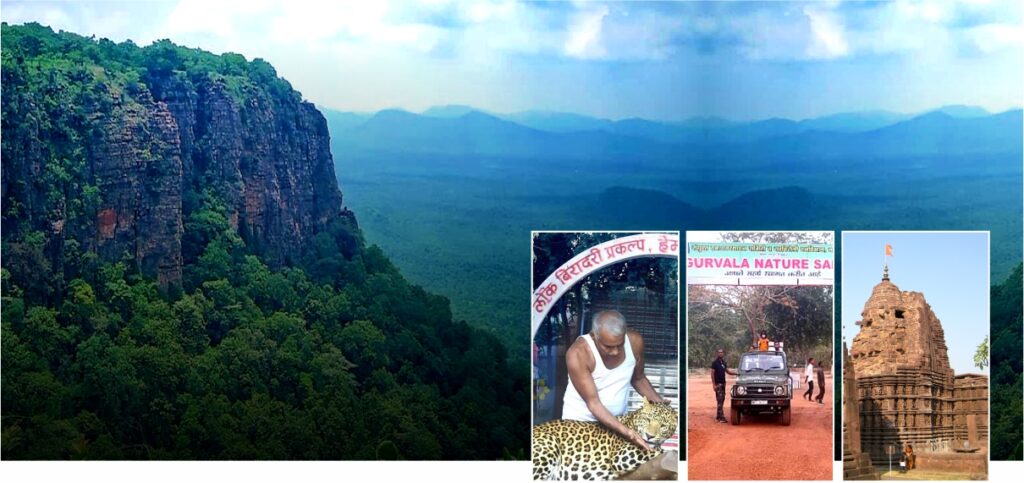
Gadchiroli’s tribal communities hold rich forest knowledge and sophisticated indigenous practices, but without institutional recognition this knowledge remains invisible, untransmitted, and excluded from fair livelihood opportunities.
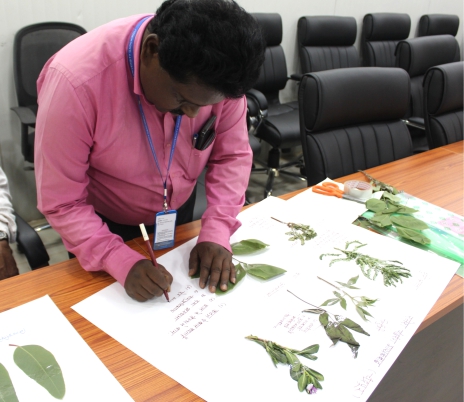
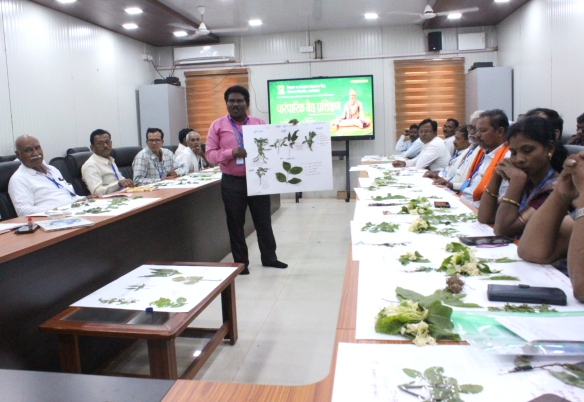
An integrated Indigenous Knowledge Systems pipeline requires movement across four dimensions simultaneously. First, rigorous documentation and community validation must establish what knowledge exists and how communities themselves recognize its efficacy and significance. Second, this knowledge must be brought into dialogue with scientific frameworks, not to subordinate tradition to science, but to identify complementarities and build mutual credibility. Third, structured training pathways must formalize transmission so that knowledge does not vanish with its current practitioners but becomes documentable and learn ready material. Fourth, and most critically, these credentials must connect directly to market linkages and livelihood enterprises. A certificate without income is merely symbolic. Livelihood without institutional backing remains precarious and invisible.
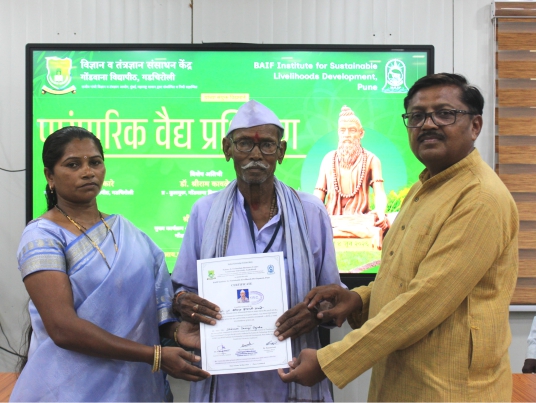
The emerging model in Gadchiroli suggests that IKS credentialing must be deeply integrated with value chain development. When a traditional healer receives formal certification through university-recognized training, that credential should immediately open access to institutional support, whether through community health promotion centres, AYUSH-aligned service delivery networks, or research partnerships. When an artisan completes training in traditional craft techniques, certification should connect directly to market channels with institutional backing. When a community demonstrates sophisticated forest management, that knowledge should translate into sustainable income through NTFP commercialization or eco-tourism enterprises. Without these livelihood linkages, IKS initiatives remain what they have always been, culturally significant but economically marginal.
The transformation now started becoming possible in Gadchiroli through university interventions. Indigenous Knowledge Systems can move from institutional invisibility to formal credentialing to livelihood reality, but only if universities deliberately build the bridging infrastructure. This requires curriculum integration so that students learn knowledge systems in their local context. It requires validation methodologies that honour both community recognition and scientific rigor. It requires market enterprises, whether social ventures or government-linked schemes, designed explicitly to commercialize IKS-based products and services. It requires that credentialing pathways be designed backward from livelihood reality rather than forward from academic convenience.
Gondwana University’s STRC Vaidya Chikitsalay, stands as testimony, demonstrating precisely this bridging logic in practice. It brought traditional healers long operating outside institutional recognition onto a university platform, giving their knowledge a formal address and a legitimate space of practice.
Gadchiroli does not need external knowledge. It needs the institutional infrastructure through which its own knowledge gains recognition, transmission, and livelihood dignity. When tribal forest wisdom becomes a university credential, and that credential becomes genuine income for knowledge practitioners and their communities, the region will have achieved something far more significant than cultural preservation. It will have rebuilt the relationship between knowledge and livelihood that industrialization fractured, creating pathways through which communities remain both custodians of their wisdom and beneficiaries of its economic value.