From the CPO's Desk
Bamboo, Artisans and the New Economy:
Reimagining Livelihoods in an Emerging Industrial Gadchiroli
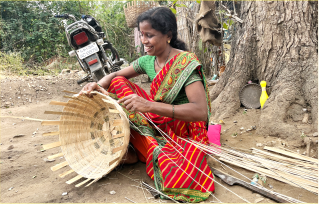
The bamboo landscapes of Gadchiroli and Chandrapur have shaped the livelihoods, cultural identity and ecological wisdom of the region for generations. One of this, is the Burud community – our traditional bamboo artisans whose skills represent one of the finest examples of Indigenous knowledge seamlessly aligned with modern principles of circularity, sustainability and low-carbon production. Today, as Gadchiroli moves rapidly toward becoming India’s emerging steel and industrial hub, it is essential that we recognise the relevance of these artisans and view them not as a remnant of the past, but as critical contributors to a future art-based, bio-resource economy.

The Burud Community: A Living Knowledge System
For generations, Burud artisans have crafted a wide range of bamboo products, backed by deep, often undocumented knowledge of the material's behaviour, strength and durability. Yet they continue to face barriers such as poor market access, limited design support, poor branding and intermediary-driven value chains. What remains underappreciated is that these artisans already possess the core strengths skill, authenticity, local materials and cultural identity that form the foundation of successful creative economies worldwide.
India’s Successful Craft Economies: Lessons for Gadchiroli
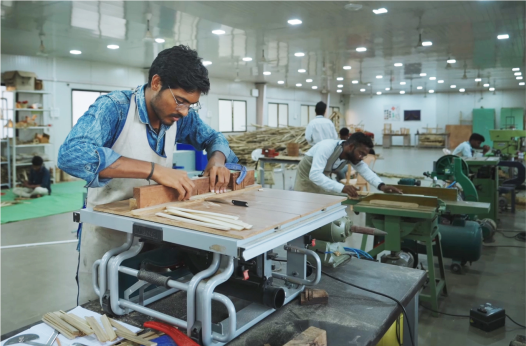
Across India, craft clusters have grown into strong economic ecosystems through design innovation, institutional support and effective market linkages. Success stories such as the Channapatna toy cluster and the Bastar craft tradition show the impact of GI recognition, quality upgradation, storytelling and strong branding. These examples demonstrate the value of artisan-owned institutions, modernised designs, diversified markets and fair value distribution—strategies that are equally applicable to the Burud community of Gadchiroli and Chandrapur, positioning them to emerge as a nationally recognised art-based bamboo economy.
Gadchiroli’s Emerging Industrial Landscape
Gadchiroli is experiencing a rapid surge in industrial interest, with major steel and mineral-based projects positioning the district as a future industrial hub in central India. This transition is set to reshape local economies, generate new market demand and create diverse livelihood opportunities. In this evolving landscape, bamboo can play a dual role—supporting traditional craft-based livelihoods while also serving as a valuable industrial bio-resource for products such as biochar, activated carbon, pellets and engineered materials.

Bamboo Biochar: A New Frontier for Rural-Industrial Synergy
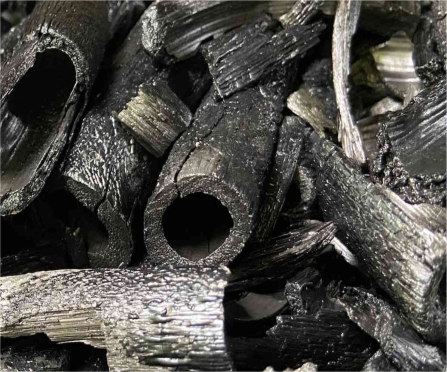
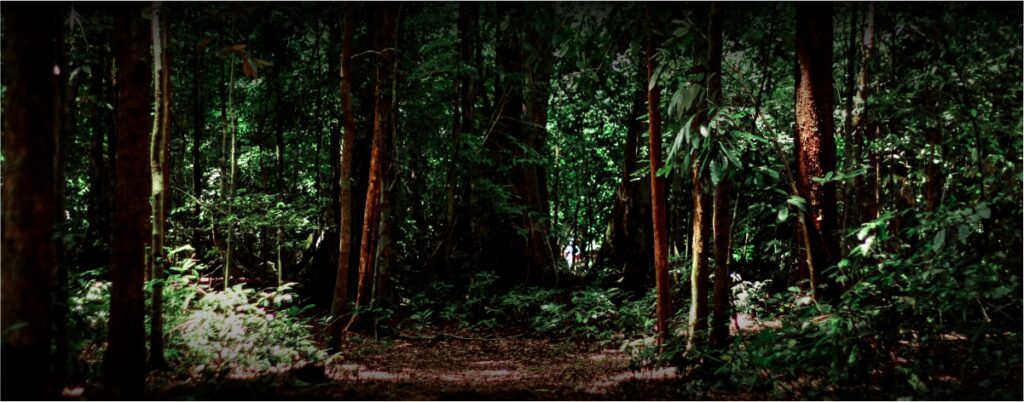
Bamboo-based biochar has applications in soil health, water purification, industrial adsorption and carbon sequestration, placing it at a strategic intersection of science and rural livelihoods. With major industries coming up in the district, demand for such materials will increase, opening new income avenues. Biochar production can effectively utilise bamboo cultivation, primary processing and even artisan waste. To sustain this value chain, large-scale, scientifically planned bamboo cultivation with strong community ownership is essential.
Why an Art-Based Bamboo Economy is Within Reach
The region’s abundant bamboo, deep artisan knowledge, rising industrial demand and supportive policies create a strong foundation for an art-based bamboo economy. Unique tribal aesthetics further enhance the market value of local products. With design innovation, digital tools, quality upgrades and strong branding, Burud artisans can transition into recognised contributors to India’s growing craft and green-material sectors.

Gadchiroli's Emerging Industrial Landscape
Gadchiroli is experiencing a rapid surge in industrial interest, with major steel and mineral-based projects positioning the district as a future industrial hub in central India. This transition is set to reshape local economies, generate new market demand and create diverse livelihood opportunities. In this evolving landscape, bamboo can play a dual role—supporting traditional craft-based livelihoods while also serving as a valuable industrial bio-resource for products such as biochar, activated carbon, pellets and engineered materials.
STRC’s Vision and Roadmap for Bamboo based Livelihood Enhancement
At STRC, our approach is grounded in scientific planning, grassroots collaboration and long-term value-chain development. We aim to establish bamboo depots and primary processing hubs through Gram Sabha leadership, strengthen design and quality enhancement facilities, and pilot bamboo biochar production models. STRC is also focused on building strong market linkages with hospitality, interiors, craft stores and industries, while empowering artisans through training, certification, packaging and digital tools. Together, these efforts aim to strengthen institutions and ensure meaningful livelihood enhancement through the bamboo economy.
Opportunity Where Industry and Artisans Grow Together
The rapidly changing economic landscape of Gadchiroli must be viewed not as a threat but as an opportunity to craft a development model where traditional artisans, bamboo cultivators and emerging industries co-exist symbiotically. The Burud craft tradition is not merely a livelihood – it is an identity shaped over generations. With the right interventions, this identity can evolve into a strong economic pillar for the district.
As we look ahead, STRC remains committed to building platforms where artisans are respected, empowered and acknowledged as partners in regional development. The future of Gadchiroli lies not only in steel plants and industrial corridors but equally in the hands of its artisans, who hold the knowledge to build a resilient, circular and culturally rich bamboo economy.