From the CPO's Desk
Circular Bioeconomy:
A Pathway for Sustainable Growth in Gadchiroli and Chandrapur

Author
Shri. Swapnil Girade
Chief Program Officer & Head, STRC
As Gadchiroli and Chandrapur stand on the verge of a large economic transformation, a critical question emerges: Can industrial expansion co-exist with ecological preservation and tribal livelihoods? The answer lies in adopting a Circular Bioeconomy—an economic model that regenerates natural systems, minimises waste, utilises renewable biological resources, and generates jobs without degrading the environment.
Why is Circular Bioeconomy Important Now?
Both districts are rich in forests, minerals, water, biodiversity, and traditional knowledge systems. At the same time, they are witnessing major industrial investments—particularly in the steel sector, where Gadchiroli is projected to contribute up to 20–25% of India’s future steel production. The upcoming iron ore mining, pellet plants, integrated steel units, and mineral processing will create employment, but also increase pressure on forests, land, water, and tribal livelihoods.
A circular bioeconomy provides a balanced development path through:
- Industrial growth with reduced resource consumption
- Use of waste as raw material
- Protection of biodiversity and tribal economies
- Sustainable livelihoods through bamboo, NTFP, and agro-based enterprises.
The Natural Strength of Gadchiroli and Chandrapur:
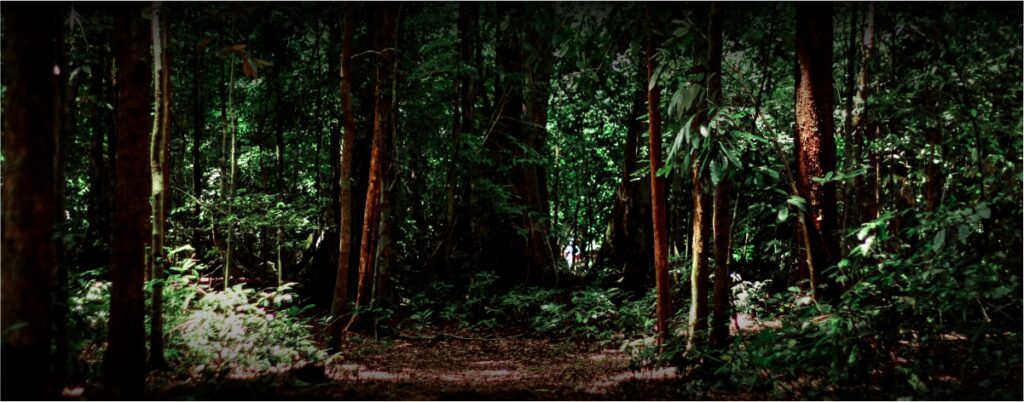
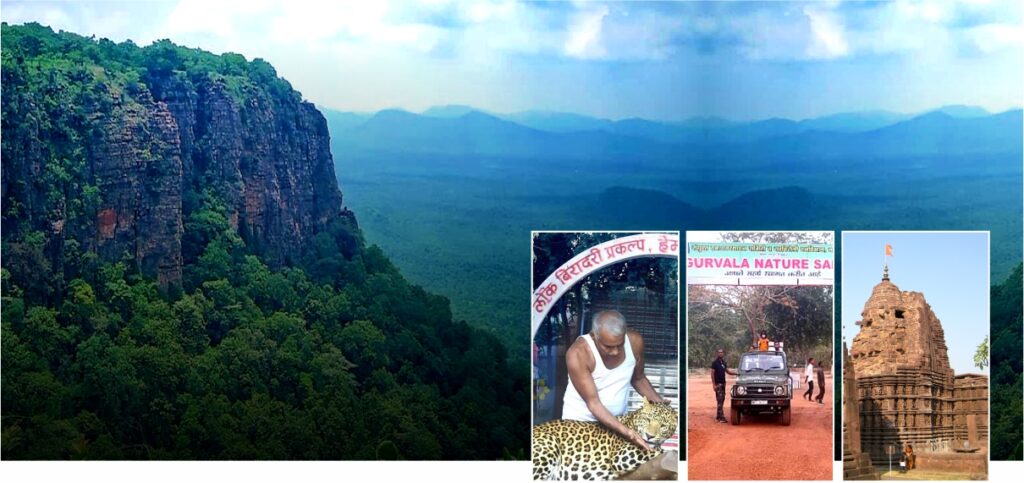
- 78% forest cover (one of the highest in Maharashtra)
- Major rivers: Godavari, Wainganga, Indravati, Pranhita – supporting agriculture and fisheries
- Rich deposits of high-grade iron ore
- Largest bamboo-producing districts in the state
- Language and Dialects: Gond, Madia, Kolam tribes with deep traditional ecological knowledge
These unique assets make the region ideal for a bio-based, circular growth model.
Where Circular Bioeconomy Can Transform the Region:
1. Sustainable Bamboo Economy
Bamboo can significantly drive a circular bioeconomy in the region through its use in construction, crafts, furniture, and lifestyle products. Even bamboo waste can be converted into biochar, briquettes, and boards, creating value without generating waste. By linking processing units with tribal SHGs and cooperatives, local enterprises and employment can grow. Training programmes in bamboo will further strengthen the skilled workforce needed for this expanding sector.
2. Forest-Based Livelihoods & NTFP Processing
Forest resources such as mahua, tendu leaves, honey, and medicinal plants offer strong livelihood opportunities when value addition is introduced. Establishing Ayush and Ayurveda product clusters can enhance market access and product diversity. With decentralized packaging and branding by village-level enterprises, communities can retain higher value locally while creating sustainable income and small-scale rural businesses.
3. Industrial Symbiosis with the Steel Sector
Steel plants generate large quantities of by-products that can be converted into useful materials like slag for bricks, blocks, roads, and cement blending; fly ash for construction and composites; and scrap for recycling and fabrication units. This approach reduces landfill and environmental pollution while creating new MSME opportunities and local manufacturing jobs.
4. Agri-Bioeconomy
Agri-waste and forest biomass can be converted into bio-fertilisers, compost, and biochar, creating valuable organic inputs for farming. These products improve soil health, enhance crop yields, and reduce dependency on chemical fertilisers. Such circular practices support sustainable agriculture while lowering costs for farmers.
Challenges that Circular Bioeconomy helps solve:
01.
Deforestation due to mining and land conversion
02.
Soil erosion, water pollution, biodiversity loss
03.
High rural poverty, limited livelihood opportunities
04.
Low industrial employment absorption of local youth
05.
Circular systems reduce environmental damage, reuse resources, and create new income streams locally.
Potential Scope for STRC in Transformation:
STRC, Gondwana University, is positioned to function as a Centre of Excellence in Circular Bioeconomy for the region. As a hub of research, training, and technology demonstration, STRC will focus on value chains rooted in local natural resources—particularly bamboo, NTFP, biochar, waste recycling, and sustainable land use. The Centre will build skilled manpower by training youth and tribal communities in green enterprises, establish technology models such as bamboo treatment, and promote industry–community partnerships for decentralized manufacturing.
A New Development Approach:
A shift from a resource-extractive to a resource regenerative model can redefine Gadchiroli and Chandrapur – reducing waste, protecting biodiversity, and strengthening forest livelihoods through circular bioeconomy.